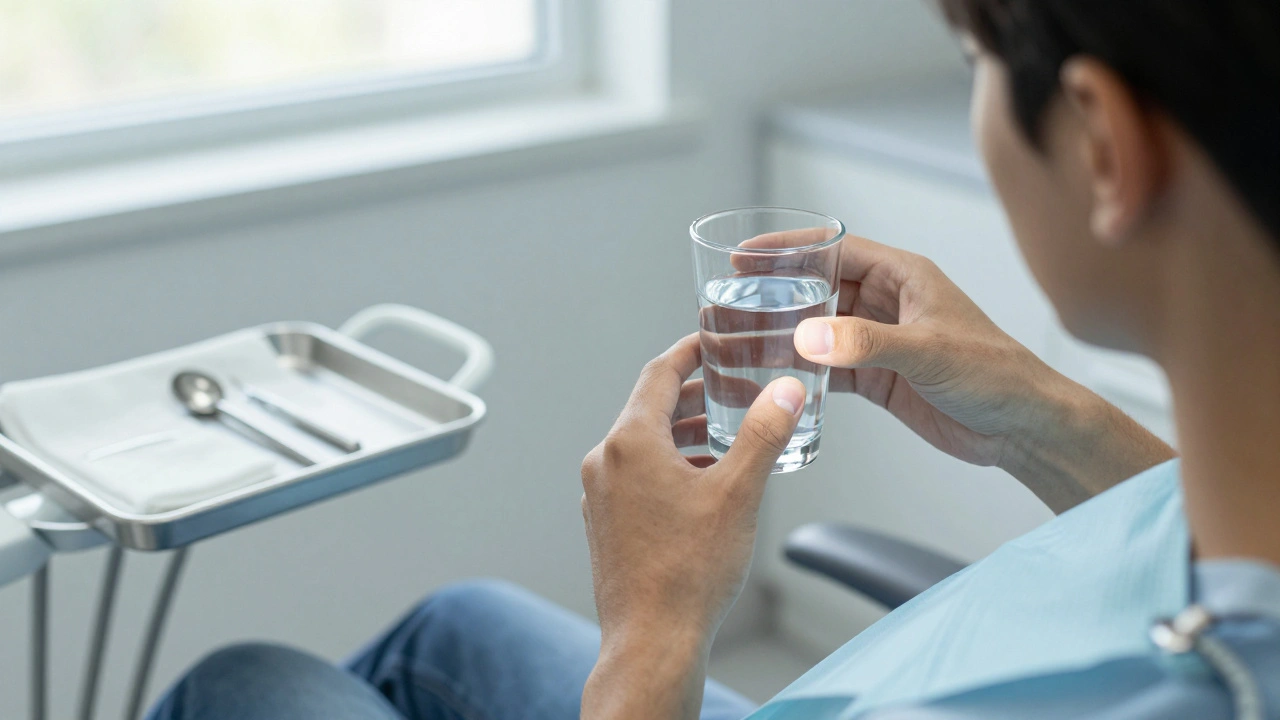
Doba po pískování: Co dělat, když zuby po čištění citliví?
When you get your teeth pískování zubů, bezbolestná procedura, která odstraňuje plak, barviva a tvrdý zubní kámen, který kartáček nezvládne. Also known as zubní pískování, it is a routine part of preventive dental care, recommended every 6 to 12 months to keep gums healthy and teeth looking clean. But what happens right after? The doba po pískování isn’t just about waiting—it’s about protecting your teeth while they recover.
After pískování, your teeth might feel sensitive, especially to hot, cold, or sweet things. That’s normal. The procedure removes layers of buildup that were shielding your enamel, so the surface is temporarily more exposed. This sensitivity usually fades within a few days, but if it lasts longer than a week, it’s worth checking with your dentist. Your gums might also feel a bit tender—especially if there was a lot of tartar buildup before. That’s your body’s way of reacting to the cleaning. Don’t brush too hard during this time. Use a soft brush and fluoride toothpaste designed for sensitive teeth. Avoid whitening toothpastes—they’re too abrasive right after pískování.
What you eat matters too. For the first 24 to 48 hours, skip dark foods and drinks like coffee, red wine, tea, and berries. They can stain your teeth more easily because the surface is slightly porous after cleaning. Stick to light-colored meals: white rice, chicken, eggs, yogurt, mashed potatoes. Also, avoid smoking—it stains teeth faster and slows down gum healing. If you’ve had deep cleaning or if your gums were inflamed, your dentist might suggest avoiding crunchy or sticky foods for a couple of days. Think of it like healing a scrape—you wouldn’t rub salt on it, right? Same idea.
The citlivé zuby po pískování, obvyklá reakce po odstranění zubního kamene a plaku, který chránil citlivé oblasti doesn’t mean something went wrong. It means the cleaning worked. The tartar was hiding areas your enamel couldn’t protect on its own. This is why regular pískování helps prevent bigger problems—it catches buildup before it damages the gums or roots. If you get pískování every six months, your body gets used to it, and sensitivity gets milder over time.
Your zubní hygiena, každodenní péče o zuby a dásně, která zabraňuje tvorbě plaku a kamene after pískování is even more important than before. Brush twice a day, floss daily, and consider using an antimicrobial mouthwash for a few days. Don’t skip your next checkup—your dentist will check if the gums are healing well and if you need adjustments in your home care routine.
Most people don’t realize that the real benefit of pískování isn’t just how white your teeth look—it’s how much healthier your gums become. Healthy gums mean fewer infections, less risk of tooth loss, and less need for expensive treatments later. The doba po pískování is your window to lock in those gains. Treat your teeth gently, eat smart, and keep up with your hygiene. In just a few days, that temporary sensitivity will disappear—and you’ll notice your mouth feels cleaner than ever before.
Below, you’ll find practical guides on what to eat, how to handle sensitivity, and why skipping your next cleaning could cost you more than just a bright smile.