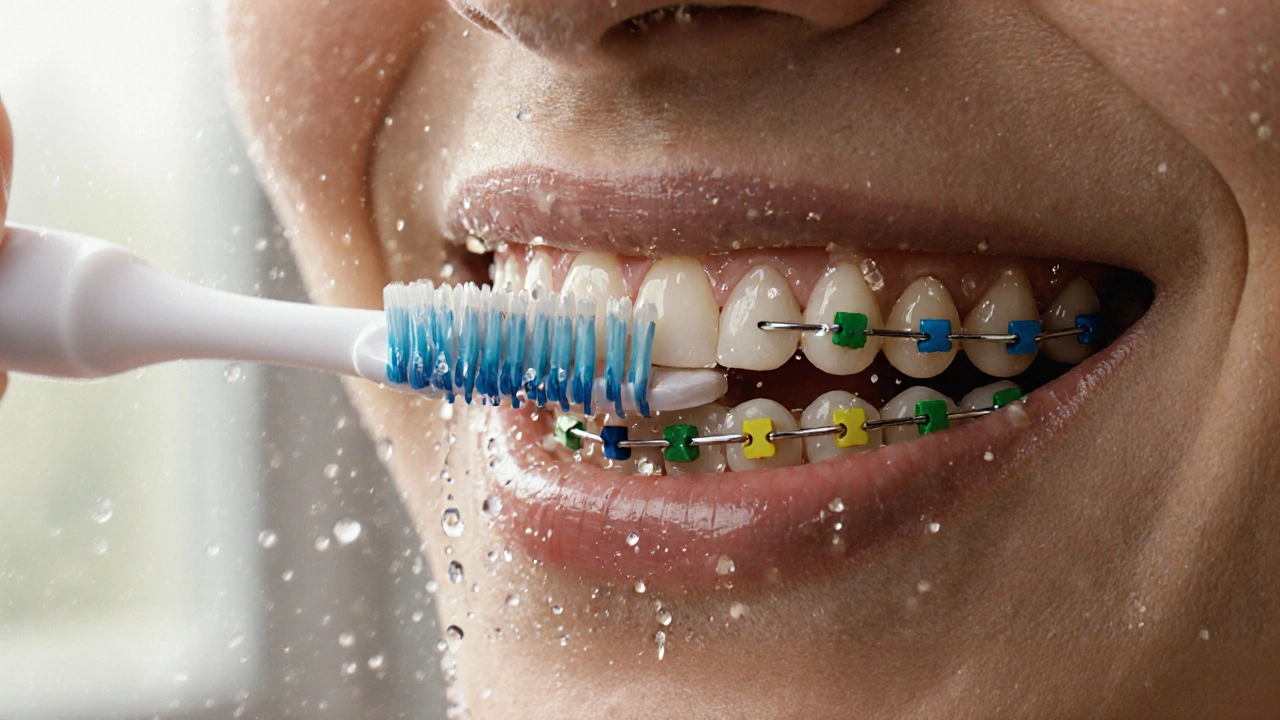
Jak čistit zubní aparát: Praktické rady pro hygenu a dlouhodobý úspěch
When you have a dental appliance, whether it's braces, a fixed retainer, or an implant, jak čistit zubní aparát, pravidelné a správné čištění je klíčové pro udržení zdraví úst a dlouhodobý úspěch léčby. Also known as ústní hygiena s implantáty nebo rovnátky, it's not just about appearance—it's about preventing infections, gum disease, and even losing your investment in dental work. Many people think brushing twice a day is enough, but if you have an appliance, that’s just the starting point.
Zubní plak, ten tenký, neviditelný film na zubech, je první krok k zánětu dásní a kameni. If you wear a fixed appliance, plaque hides in places your toothbrush can’t reach—between wires, around brackets, or under the implant crown. Left unchecked, it turns into hard tartar, causes bad breath, and can lead to péče o implantáty, která vyžaduje jiný přístup než péče o přirozené zuby. Studies show that people with implants who skip proper cleaning are up to 5 times more likely to develop peri-implantitis, a condition that can make your implant loose.
So how do you actually clean it right? Start with a soft-bristled toothbrush and fluoride toothpaste. Brush after every meal—not just morning and night. Use mezizubní kartáčky, malé kartáčky, které procházejí mezi zuby a kolem drátů. They’re small, but they remove 70% more plaque than brushing alone. Add dental floss or a water flosser for hard-to-reach spots. If you have a fixed retainer behind your front teeth, you’ll need a threader to get the floss under it. Don’t skip pískování zubů—dentists recommend it every 6 months to remove stains and tartar that home care can’t touch.
And don’t forget: white gums around an implant? That’s not normal. A white film, often called "bílá dáseň," is bacterial biofilm—early warning of infection. If you see it, clean more thoroughly and see your dentist. It’s not about fear—it’s about catching it early. Most people who lose implants do so because they ignored early signs.
It’s not complicated. You don’t need expensive gadgets or magic pastes. Just consistency. Brush, floss, rinse, and get professional cleanings. The same tools that work for natural teeth work for appliances—you just need to use them better. People who stick to this routine keep their implants and braces clean for decades. Those who don’t? They end up with swollen gums, bad breath, and costly repairs.
Below you’ll find real, practical guides from dentists and patients who’ve been there. From how to clean around braces without damaging them, to why your implant’s gum line changes color, to the exact steps for using a water flosser correctly. No fluff. Just what works.