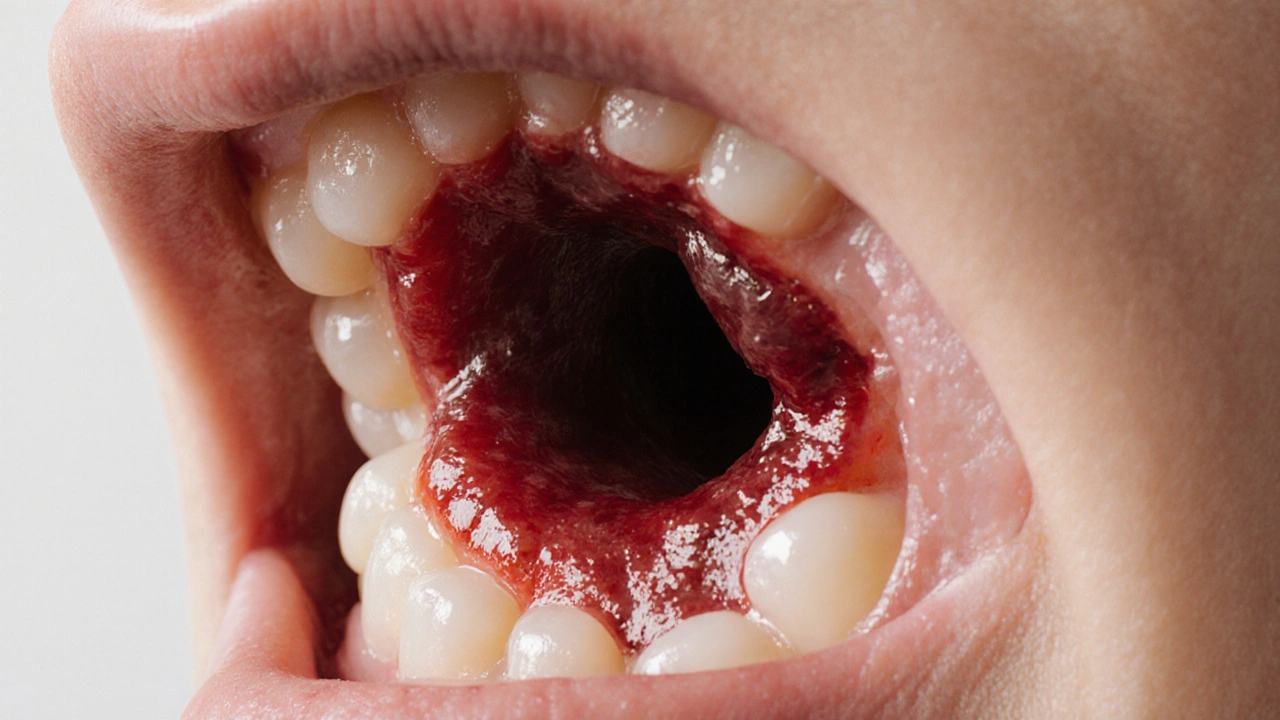
Zánět po vytržení: Co dělat, když se dásně zčervenají a bolí
When you have a tooth pulled, your body starts healing right away—but sometimes, that healing goes wrong. zánět po vytržení, zánět v oblasti, kde byl zub vytržen, často způsobený bakteriemi nebo špatnou péčí. Also known as alveolitida, it’s not just discomfort—it’s your body screaming that something’s off. This isn’t rare. One in five people experience some level of inflammation after extraction, and if you ignore it, it can turn into a serious infection that spreads to your jaw or even bloodstream.
Most people think pain after extraction is normal. It is—for the first two days. But if your pain gets worse after day three, your socket starts smelling bad, or you feel feverish, that’s not healing—that’s infekce po výběru zubu, aktivní bakteriální infekce v ozubní jamce, která vyžaduje léčbu antibiotiky a čištění. You might see grayish tissue in the socket, or even feel pus when you touch the area. This isn’t something to wait out. Left untreated, it can damage bone and delay any future implant placement.
Good hygiene after extraction isn’t optional. Brushing your teeth is fine, but avoid the socket. Rinsing with salt water (one teaspoon in warm water) twice a day helps flush out debris without disturbing the clot. Smoking? Don’t even think about it for at least 72 hours—it’s the #1 cause of dry socket and infection. And if you’re on antibiotics, finish the whole course. Stopping early doesn’t just make you sick again—it makes bacteria stronger.
Some people think they can treat this with home remedies—clove oil, garlic, tea bags. They might help a little with pain, but they won’t fix the root cause. If you have swelling, fever, or pain that wakes you up at night, you need professional care. A dentist will clean the socket, remove dead tissue, and apply medicated dressing. It’s quick, it’s not painful, and it stops the problem before it gets worse.
And don’t forget: hojení po vytržení zubu, přirozený proces, při kterém se vytváří krevní sraženina a postupně se obnovuje tkáň takes time. It’s not just about the hole closing—it’s about bone and gum rebuilding underneath. Rushing it with hard food, drinking through a straw, or exercising too hard can break the clot and trigger inflammation. Give your body what it needs: rest, clean mouth, and patience.
What you’ll find below are real-life guides from people who’ve been through this. From how to spot early warning signs to what actually works in cleaning the area after extraction, we’ve collected the most useful advice—no fluff, no myths, just what helps.